Eagle Lake Leaders Advocate for Our Community in Washington, D.C.
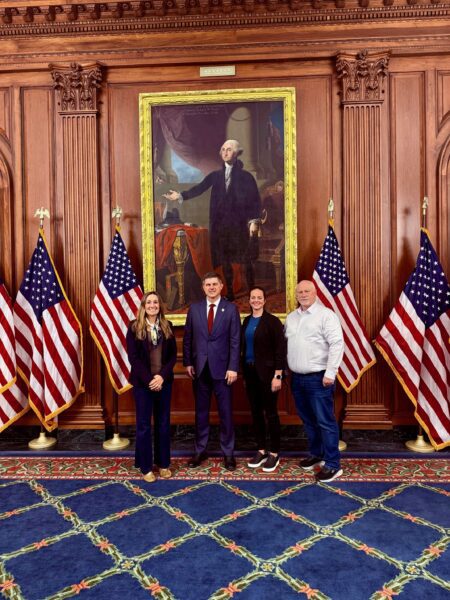
We are pleased to share an update following our recent participation in the National League of Cities (NLC) Congressional City Conference in Washington, D.C., where Mayor John Whitington, Council Member Beth Rohrich, and City Administrator Jennifer Bromeland represented Eagle Lake.
This conference is an important opportunity for local leaders across the country to come together and ensure that the voices of cities are heard at the federal level. During our time in Washington, we connected with federal officials, learned about critical funding opportunities, and contributed to shaping NLC’s federal municipal policy priorities.
Key issues discussed included safeguarding local decision-making authority, protecting and enhancing infrastructure investments, increasing housing supply and affordability, reducing legal and financial burdens on cities by avoiding unfunded mandates, and expanding funding for clean and drinking water through revolving loan programs.
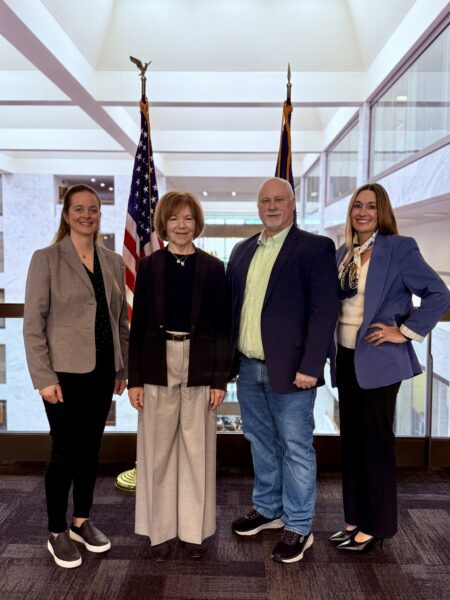
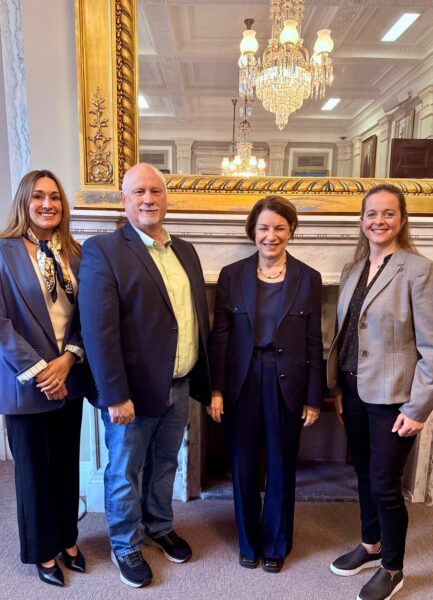
In addition to engaging with leaders from across the nation, Eagle Lake officials met directly with Congressman Brad Finstad, Senators Amy Klobuchar and Tina Smith, and their staff. These conversations focused on Eagle Lake’s priority projects, including our water treatment project, future Highway 14 improvements, and the need for a new fire hall to support our growing community.
One example of how these broader federal policy discussions translate into real local impact is the success we have already seen with our water treatment project. We are especially grateful to Congressman Finstad, Senator Klobuchar, and Senator Smith, who worked together across the aisle to support Eagle Lake’s request and secure $1,050,000 in funding through the Congressionally Directed Spending process for Fiscal Year 2026. This bipartisan support highlights the shared understanding that investments in safe, reliable drinking water are essential for communities like ours.
We will continue pursuing additional funding opportunities to bring the water treatment project to completion, and will continue submitting funding requests at both the federal and state levels until enough funding has been secured to get the project over the finish line. We will also continue advocating for support for Highway 14 improvements and a future fire hall.
This experience allowed us to learn, strengthen relationships with our federal partners, and reinforce the importance of continued advocacy on behalf of Eagle Lake.
Community members can play a meaningful role in helping advance these efforts. Staying informed, reaching out to state and federal representatives to express support for Eagle Lake’s water treatment project, and participating in public meetings or community discussions all help demonstrate strong local backing. When decision-makers see clear community support, it strengthens our case for securing the funding needed to complete these essential projects. In the coming weeks, we will be sharing a call to action with more information on how residents can help at the local level, including contacting legislators to urge their support for a bonding bill that includes critical infrastructure investments like Eagle Lake’s water treatment project.
Looking ahead, city officials will be meeting with state legislators on March 25 in St. Paul to advocate for a bonding bill that includes funding for vital infrastructure projects like Eagle Lake’s water treatment improvements. Access to clean, safe drinking water should not be a partisan issue—it is a fundamental quality of life concern. We urge legislators to work in a bipartisan manner to secure the resources needed to support the basic, fundamental needs of communities.